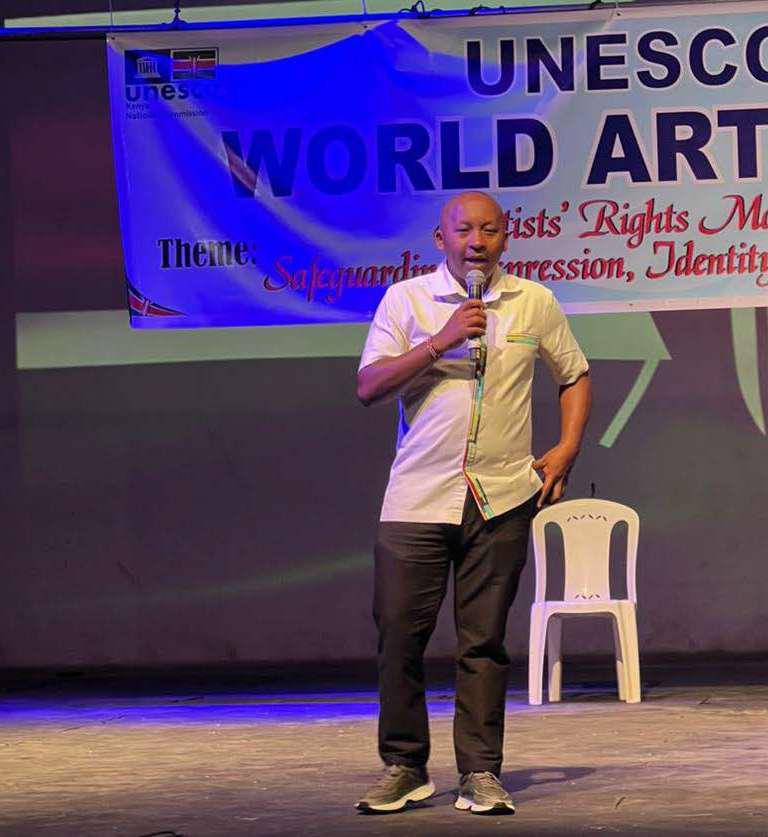
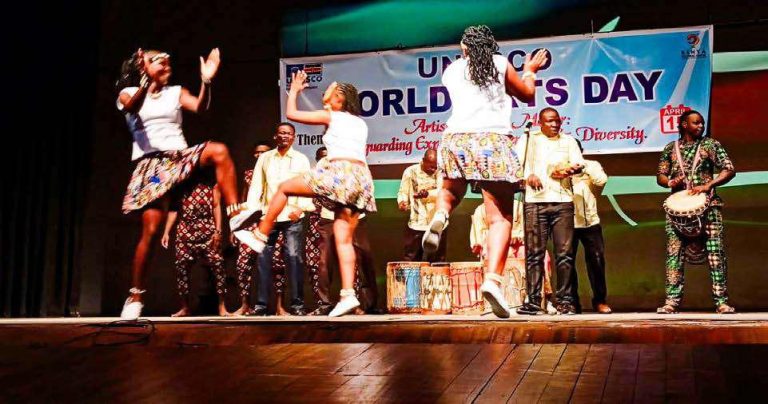
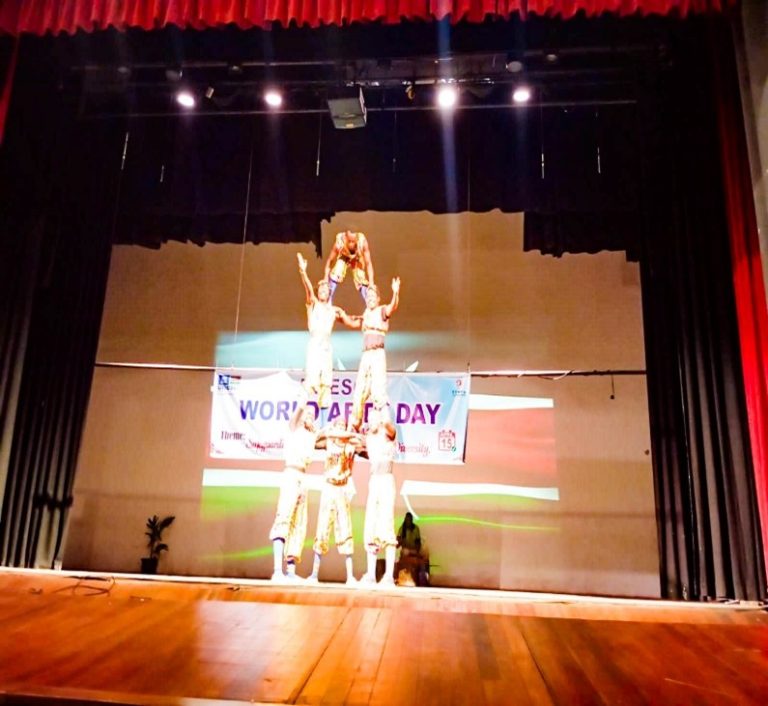
Conversation against a backdrop of rich cultural expression and growing urgency,Kenya joined the global community on World Arts Day 2026 in a landmark commemoration that placed artists’ rights firmly at the Centre of national conversation. Hosted jointly by the Kenya Cultural Centre (KCC) and the Kenya National Commission for UNESCO, the event brought together artists, policymakers, educators, and creative sector stakeholders to reflect on the challenges facing Kenya’s creative community and to chart a path forward. This year’s theme; Artists Rights Matter, struck a particularly resonant chord in Kenya, where artistic talent is abundant but systemic support remains inadequate.
A message from Mr. Michael Pundo, CEO of the Kenya Cultural Centre, delivered on his behalf by Mr. Kevin Kimani Kahuro, Manager of Programs and Business Development, struck a clear and urgent tone. Mr. Pundo underscored the pressing need to recognize, protect, and uphold the rights and dignity of artists across the country. He reaffirmed the Centre’s partnership with the Kenya National Commission for UNESCO as a shared commitment to advancing arts and culture as drivers of sustainable development and national identity.
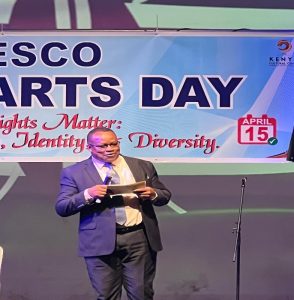
Addressing participants, Dr. James Njogu, CEO and Secretary General of the Kenya National Commission for UNESCO, delivered an address on the transformative power of the arts in shaping identity, strengthening communities, and driving nationa development.
He pointed to Kenya’s creative sector as an increasingly vital driver of innovation, employment, and youth empowerment, stressing that strengthening policies around access, transparency, and opportunity are essential to building a vibrant and sustainable creative economy. He closed with a direct call to action, encouraging government, institutions, and partners to work together to ensure that artists are not only celebrated,
but also supported and protected.
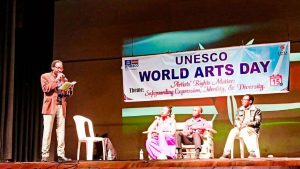
True to the spirit of the day, the programmed was not confined to speeches and discussions alone. Between sessions, attendees were treated to captivating music and dance performances that brought the event’s theme to life in the most immediate way possible by showcasing the very talent the day sought to honor and protect.
A panel discussion gave voice to the sector’s most pressing concerns. Despite Kenya’s remarkable artistic wealth, panelists acknowledged that the arts remain chronically undervalued, hampered by the persistent perception that creative work is not a viable career, compounded by limited access to studios, performance spaces, and galleries.
Leadership and policy gaps also came under scrutiny. Panelists argued that effective leadership in the creative sector must go beyond authority, it must actively empower artists through funding, supportive policy, and tangible opportunity. The commemorations concluded with an energizing note. Panelists challenged artists to step into their roles as agents of change, taking initiative, lifting one another, and relentlessly pursuing growth. Participants also heard about the range of funding mechanisms available to sustain creative work, including government programs, institutional grants, and international support schemes.
World Arts Day 2026 made one thing clear: Kenya’s creative sector is not waiting to be rescued; it is ready to lead. But to do so, it needs structures and investment that match the scale of its ambition. The has begun. The work must now follow.